Autumn Budget 2025: Opportunities, challenges, and next steps for businesses.
The Chancellor’s Autumn Statement on 26th November 2025 sets out a challenging but opportunity-rich landscape for businesses. While the headline objectives - cut NHS waiting lists, reduce inflation, and lower national debt - signal long-term stability, they come with increased taxation and structural reforms that will impact local enterprises.
With the help of Seymour Taylor Accountants and Tax Advisers, and our own Research Manager, Arthur Le Geyt, we have compiled an overview of what it all might mean for businesses, including what Seymour Taylor describe as the “sting in the tail” of increased National Living and National Minimum Wage rates.
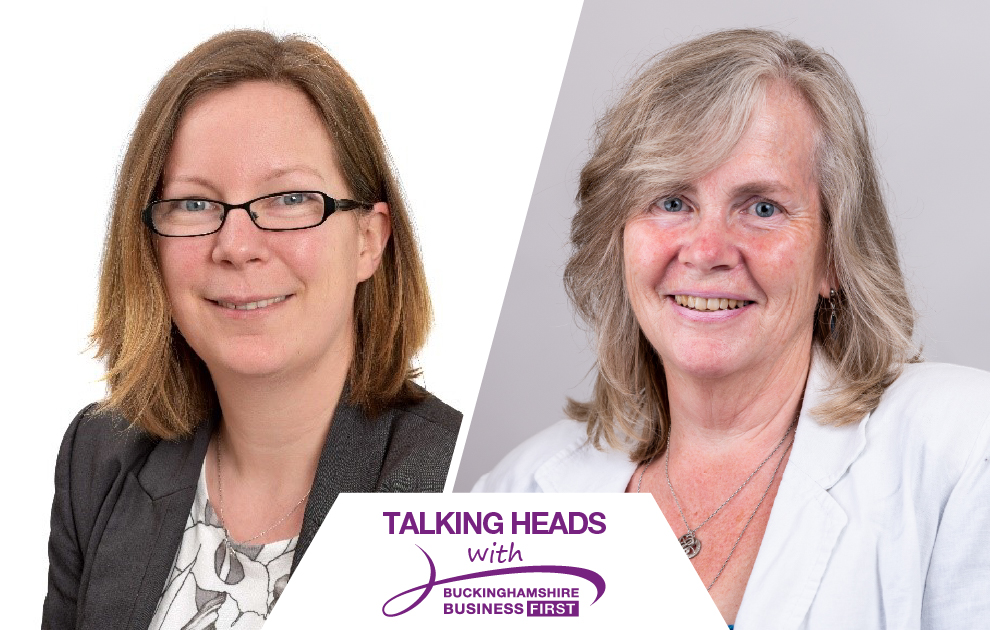
You can also listen to a special Autumn Budget episode of our Talking Heads podcast between our CEO Philippa Batting and Liza Rowles of Seymour Taylor.
You can also read detailed reaction and analysis from Seymour Taylor here >
And read what the British Independent Retailers Association (Bira) had to say here >
The full Autumn Budget 2025 document can be read here >
Key takeaways from the Autumn Budget
Economic Outlook
- GDP Growth: The Office for Budget Responsibility forecasts 1.5% average growth over five years, slightly slower than March projections, but near-term growth has been revised upwards, with 1.5% growth expected in 2025.
- Inflation: Expected at 3.5% this year, easing to 2.5% in 2026, and returning to the 2% target by 2027.
- Productivity: Higher growth forecasts (1% annually, up from 0.3% previously) could drive economic expansion and create fiscal headroom of £21.7bn.
- Unemployment: Revised up by 0.6% in 2026 but expected to fall towards 4.1% by 2027.
Key Business Measures
SME Support
- Enhanced backing from the British Business Bank for Industrial Strategy priority sectors.
- An expansion of the enterprise and management incentive.
- Extending the UK listing relief and stamp duty exemption for three years for firms that were listed in Britain.
- Retained full expensing offer for business investment, plus a new 40 percent first year allowance for businesses.
- A reduction of relief for capital gains tax on business sales to employee ownership trusts from 100 percent to 50 percent. However, the Department for Business and Trade has launched a call for evidence on how to support co-ops to grow.
- Announcement of support for pubs through the new national licensing framework.
- Permanently lower tax rates for Retail, Hospitality and Leisure properties – paid for by higher rates on properties worth more than £500,000.
- A £4.3bn package of support for properties of any size that see an increase in their bills.
- The application of customs duty to parcels of any value in order to prevent online firms from undercutting high street businesses.
Entrepreneurship Prospectus
- Consultation on tax reliefs open until 6th March 2026.
- Focus on R&D grants, procurement from UK firms, and digital invoicing standards.
- Enterprise Investment Schemes: Reformed for continuous growth support.
Business Rates Reform
- Relief for SMEs, funded by higher rates on large warehouses.
- Retail, Hospitality & Leisure multipliers set below national equivalents.
- However, rateable value revaluations may increase business rate burden on some businesses. Despite reliefs, rates for various retail and hospitality businesses are higher than previously expected.
Skills & Labour Market
- Minimum Wage: For 18–20-year-olds, this rises 8.5% to £10.85/hour from April 2026.
- Apprenticeships: Free funding for SMEs hiring apprentices aged under 25.
- Youth Guarantee Scheme backed by £1.5bn.
- Tax Thresholds: Frozen until 2030/31, reducing real net pay, with implications for consumer demand.
Taxation Changes
- Overall Tax Burden: Up £26bn by 2029.
- Property Tax Reform: Introduction of a “mansion tax” on high-value homes (bands F–H, over £2m) which may impact on demand for more valuable homes, prevalent in Buckinghamshire. (£2,500 for properties worth more than £2m, £7,500 for properties worth more than £5m)
- Higher tax rates on property, dividend and savings income, but existing allowances will remain.
- ISA Changes: £8,000 of the £20,000 allowance will be reserved for investment.
- Food Manufacturing Sector: Sugar tax extended to milk-based pre-packed products - potentially affecting local producers.
Energy & Utilities
- £150 annual household savings may boost consumer spending.
- Cuts to green levies could lower business energy bills.
Transport & Infrastructure
- Continued capital investment in transport and housing, including East West Rail.
- Fuel Duty: Frozen until September 2026.
- Electric vehicle levy introduced from April 2028.
- 100% business rate relief on EV charge points.
Opportunities for Buckinghamshire
Innovation & Skills: Strong emphasis on AI adoption and incentives to invest through capital allowance changes, which aligns with Buckinghamshire's growing tech and creative sectors. Other measures to incentivise investment, from the British Business Bank and UKRI, could also help businesses to innovate and scale.
Training and recruitment: Free apprenticeship funding for apprentices aged under 25, and the Youth Guarantee Scheme, could make it easier for businesses to recruit and train younger staff. However, these opportunities may be offset by higher costs and inflation.
Next Steps for Businesses
- Review eligibility for tax relief and SME support schemes, and review the impacts of higher tax on costs and consumer demand on your business plan.
- Assess workforce planning, considering minimum wage increases and apprenticeship funding.
- Explore opportunities in digital transformation and AI-driven efficiencies.
Talk to Buckinghamshire Business First about your business plans and/or concerns
Our team of Business Advisers have seen it all before when running their own businesses. They are an experienced group who are on hand to talk about your business challenges and signpost you to support that can help.
Call 01494 927130, email [email protected] or book in a chat by filling in this quick online form.
As the Growth Hub for the county, Buckinghamshire Business First is a key part of the government's new Business Growth Service, which means that businesses that get more involved with Buckinghamshire Business First can expect to get even more back from the support we offer.